
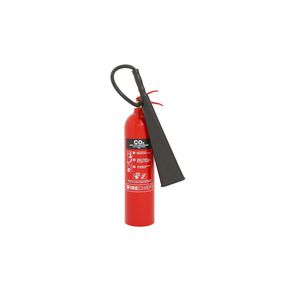
Carbon dioxide or Co2 fire extinguishers are the best option for extinguishing electrical fires. Although some other extinguisher types can be used (such as foam fire extinguishers), none other can as effectively cool and remove the oxygen supply from an electrical fire. Carbon dioxide is a solid barrier between the fire source and oxygen, which […]
Workplace Safety

Foam fire extinguishers can be used on Class A and Class B fires. These extinguisher types work by effectively smothering the burning liquid or combustible with foam, cutting off oxygen and extinguishing the fire. Foam fire extinguishers are also referred to as AFFF foam fire extinguishers, AFFF fire extinguisher, or spray foam fire extinguisher. AFFF […]

Water fire extinguishers are the most basic form of fire extinguishers on the market. They are a must for any business featuring onsite flammable solids. Sometimes simply referred to as a Class A fire extinguisher, water fire extinguishers can only be used on fires fueled by combustible materials such as wood, fabrics, paper, and other […]

Every year, workers are killed or seriously injured in a wide range of occupations and industries as the result of working in confined spaces. Deaths and injuries are not just limited to the workers themselves either but also to those who have tried to rescue them. For this reason, it is crucial to provide the […]

Flammable liquids and solids need to be stored in a fire rated flammable cabinet. This will ensure your business complies with regulations for safe storage of hazardous substances. Our guide looks at the regulations, how to use a flammables cupboard for storage, and where they should be placed in your work area. How Should Flammable […]
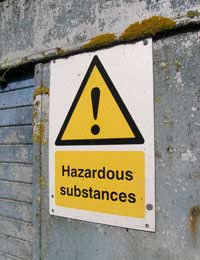
To comply with COSHH regulations, hazardous materials must be safely stored and handled in the workplace. This means that you’ll need to have procedures in place to minimise or remove risk to workers from exposure to hazardous materials. COSHH cabinets are an effective way to make sure chemicals and flammable materials are managed properly. Our […]

Exposure to Asbestos in the workplace is the single biggest cause of work related deaths in the UK. It has claimed more than 50,000 victims in the last 30 years. The effects can take many years to develop. Asbestos related illnesses can include conditions as deadly as lung cancer, asbestosis and Mesothelioma. The diseases can […]
Most of us know that asbestos is dangerous, but just how dangerous? The Control of Asbestos regulations 2012 lay out how this dangerous substance should be dealt with. If you are likely to be exposed to asbestos in the workplace, it’s important to understand the health and safety rules. About Asbestos Asbestos fibres are very […]
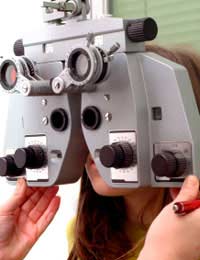
There are situations where your employer should pay for your eye test, and even for glasses. This is the case if you work with display screen equipment (DSE) for more than an hour per day. This type of equipment is also commonly referred to as VDU equipment. However, even if you spend long periods of […]

Repetitive Strain Injury (RSI) can occur when you repeatedly carry out the same movement, such as clicking on a computer mouse or texting on a mobile phone. Our guide looks at how to avoid RSI at work as well as through hobbies and interests. Usually, RSI is related to work but it can also affect […]
